
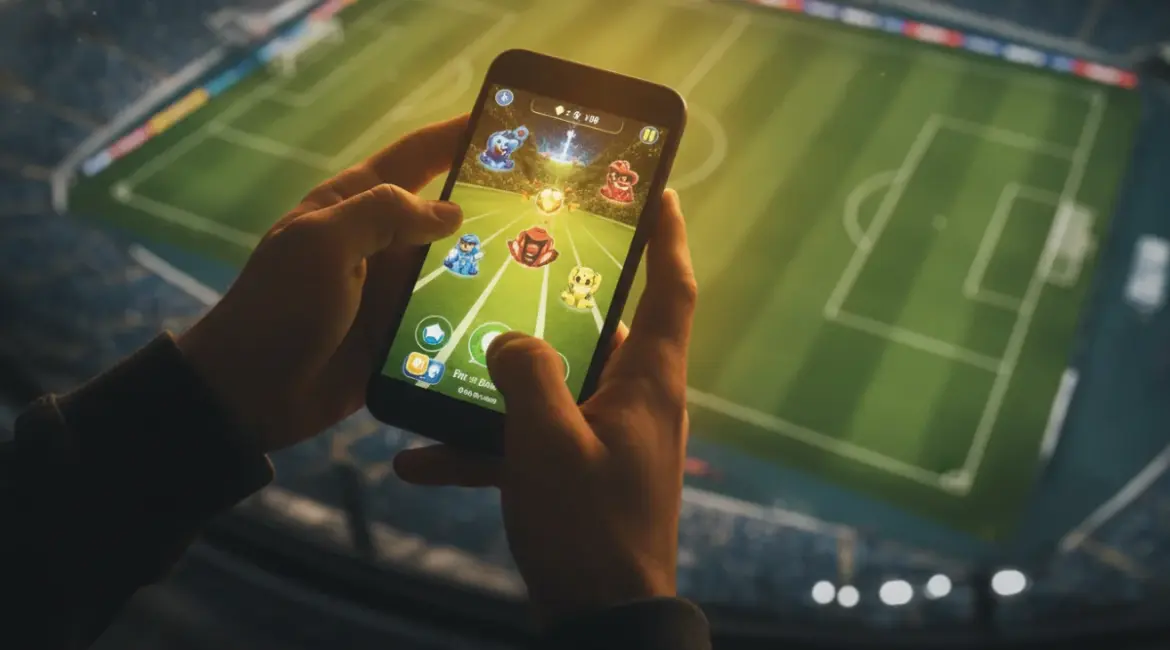
Why the Break Became Prime Playtime
Halftime used to be a simple pause in the action, but today it is also a moment when many fans reach for their phones. The reason is straightforward: the energy of the game is still high, yet there is a short window where attention can drift if nothing fresh fills the gap.
Quick mobile games fit that opening perfectly. They deliver a fast burst of entertainment without asking fans to commit to a long session, which makes them especially appealing during a brief break in live sports.
What Makes a Mobile Game Work in a Short Window
Games that succeed during halftime usually share the same practical design. They load quickly, explain themselves almost instantly, and reward players within a very short time. That matters because fans do not want to spend half the break learning controls or waiting for a slow match to end.
- Fast launch: A good halftime game opens quickly and gets to the action immediately.
- Simple interaction: One-tap or swipe-based play keeps the experience easy to understand.
- Short rounds: Each session should feel complete before the second half begins.
- Repeat value: Players should be able to jump into another round without friction.
This is why puzzle apps, casual arcade titles, rapid fantasy check-ins, and spin-style games often perform well in this setting. They create a quick sense of momentum that matches the pace of a sports broadcast.
Technology Has Removed the Old Friction
In the past, crowded venues and weak connections made mobile gaming unreliable. That has changed sharply. Faster mobile networks and stronger stadium Wi-Fi have made it much easier for thousands of people to stay connected at once, even during peak traffic.
Developers have also adapted by building lighter apps that use less bandwidth and respond more smoothly. As a result, fans can start a game, finish a few rounds, and return their attention to the field without feeling disconnected from either experience.
The Emotional Pull Behind the Trend
Sports create a strong emotional rhythm. Fans ride the tension of close plays, near misses, and big moments, so the drop in intensity at halftime can feel abrupt. Quick games help smooth that transition by keeping the brain engaged and giving spectators a fresh goal to focus on.
There is also a control factor at work. Watching sports is mostly passive, but mobile games give fans an immediate outcome they can influence. Even a tiny win during halftime can feel satisfying because it restores a sense of participation.
How Teams and Broadcasters Are Using It
Sports organizations have noticed that halftime does not have to be dead time. Many now use mobile experiences to deepen engagement and keep fans active while the main event is paused. The best examples connect directly to the game itself, which makes the experience feel like part of the broadcast instead of a distraction from it.
- Prediction challenges: Fans answer quick questions about the score, players, or upcoming plays.
- Reward-based contests: Short games unlock discounts, special offers, or event perks.
- Fantasy updates: Mobile check-ins let participants react to live results and roster changes.
These features help turn halftime into an extension of the sports experience. Instead of waiting passively, fans stay involved and often feel more connected to the team, the league, and the broadcast.
What Comes Next for Halftime Entertainment
The next stage will likely make the boundary between watching and playing even thinner. Augmented reality, live interactive challenges, and more personalized game prompts could soon make halftime feel like a shared digital layer over the stadium experience.
For now, the popularity of quick mobile games shows that fans want more than filler content. They want something active, immediate, and easy to enjoy before the next whistle sends everyone back to the main event.